Peripheral Arterial Disease
Advanced diagnosis & treatment for blocked leg arteries
Peripheral Arterial Disease (PAD) is a common circulatory condition in which narrowed arteries reduce blood flow to the limbs, especially the legs. It is mainly caused by atherosclerosis (plaque buildup in arteries).
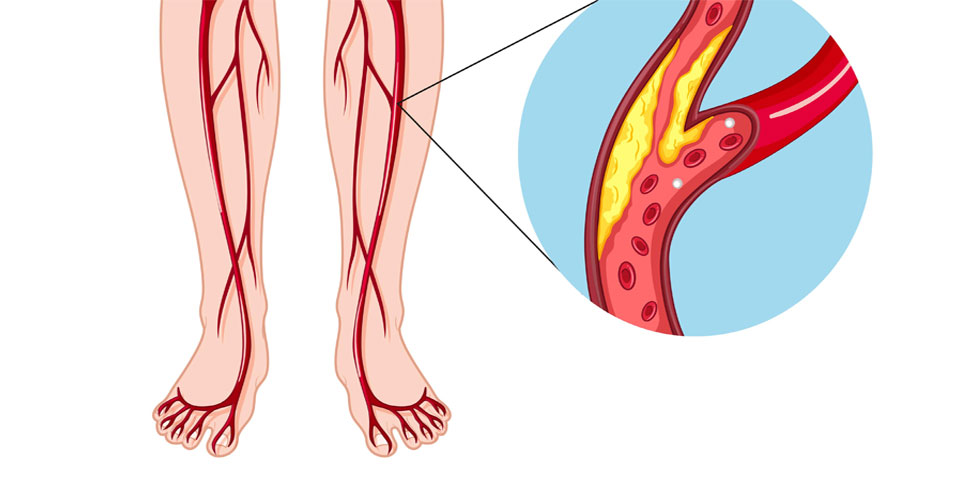
PAD can lead to pain while walking (claudication), non-healing wounds, and in severe cases, limb loss if left untreated.
TYPES OF PAD
- - Lower limb PAD (most common)
- - Upper limb PAD
- - Critical Limb Ischemia (advanced stage)
WHO IS AT RISK? (Risk Factors)
- - Age above 50 years
- - Smoking or tobacco use
- - Diabetes
- - High blood pressure
- - High cholesterol
- - Obesity & sedentary lifestyle
SIGNS & SYMPTOMS
- - Leg pain while walking (relieved by rest)
- - Coldness in lower leg or foot
- - Numbness or weakness
- - Slow or non-healing wounds on feet
- - Change in skin color (pale/blue)
- - Weak or absent pulse in legs
HOW IS PAD DIAGNOSED?
Consult a vascular specialist immediately if symptoms are present.
- - Ankle-Brachial Index (ABI)
- - Doppler Ultrasound
- - CT Angiography / MR Angiography
- - Digital Subtraction Angiography
WHAT HAPPENS IF UNTREATED?
Untreated PAD can progress to Critical Limb Ischemia, leading to severe pain, infections, gangrene, and possible amputation.
TREATMENT OPTIONS
1. Medical Management:
- - Lifestyle modification (quit smoking, exercise)
- - Control diabetes, BP & cholesterol
- - Blood thinners & medications
2. Endovascular Treatment:
- - Balloon Angioplasty
- - Stent Placement
- - Atherectomy (plaque removal)
3. Surgical Treatment:
- - Bypass Surgery
- - Endarterectomy
ADVANTAGES OF MODERN TREATMENT
- - Minimally invasive procedures
- - Faster recovery
- - Short hospital stay
- - Reduced risk of complications
Early diagnosis and timely treatment can save limbs and improve quality of life.