Deep Vein Thrombosis (DVT)
Early detection & advanced treatment for blood clots
Deep Vein Thrombosis (DVT) is a condition where a blood clot (thrombus) forms in the deep veins, most commonly in the legs. It can be serious because the clot may travel to the lungs, causing a life-threatening condition called pulmonary embolism.
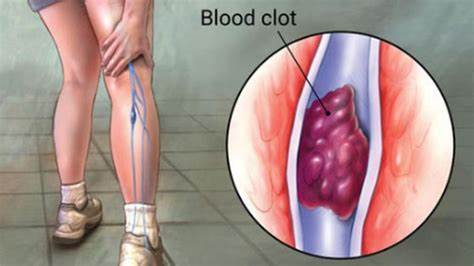
DVT often develops due to slow blood flow, injury to the vein, or increased tendency of blood to clot. Early diagnosis is critical to prevent complications.
COMMON CAUSES
- - Prolonged bed rest or immobility
- - Long travel (flights/car journeys)
- - Recent surgery or injury
- - Pregnancy
- - Hormonal medications (OCPs)
RISK FACTORS
- - Smoking
- - Obesity
- - Cancer or chemotherapy
- - Family history of clotting disorders
- - Age above 40 years
SIGNS & SYMPTOMS
- - Swelling in one leg
- - Pain or tenderness in the leg
- - Warmth over affected area
- - Red or discolored skin
- - Visible surface veins
DANGEROUS COMPLICATION
If the clot breaks loose and travels to the lungs, it can cause Pulmonary Embolism, which is a medical emergency.
HOW IS DVT DIAGNOSED?
- - Doppler Ultrasound (primary test)
- - D-Dimer Blood Test
- - CT / MR Venography
TREATMENT OPTIONS
1. Medical Treatment:
- - Blood thinners (anticoagulants)
- - Pain relief medications
- - Compression stockings
2. Advanced Treatments:
- - Thrombolysis (clot dissolving therapy)
- - Mechanical thrombectomy
- - IVC Filter placement (in selected cases)
PREVENTION TIPS
- - Stay active and avoid prolonged sitting
- - Keep hydrated
- - Use compression stockings if advised
- - Quit smoking
- - Follow medical advice after surgery
RECOVERY & FOLLOW-UP
- - Regular medication monitoring
- - Lifestyle changes
- - Follow-up imaging if needed
Early treatment of DVT can prevent serious complications and save lives.