Dialysis Access
Safe & long-term vascular access for dialysis patients
Dialysis access is a procedure to create a reliable entry point in the body for hemodialysis. It allows blood to be removed, filtered, and returned safely during dialysis treatment in patients with kidney failure.
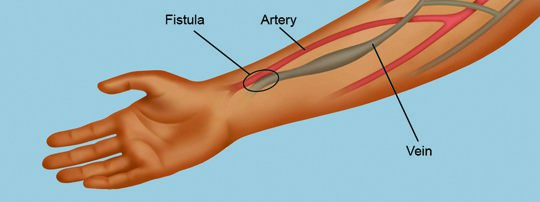
A well-functioning dialysis access is essential for effective treatment and long-term health in patients requiring regular dialysis.
TYPES OF DIALYSIS ACCESS
- - AV Fistula: Connection between artery and vein (gold standard)
- - AV Graft: Synthetic tube connecting artery and vein
- - Dialysis Catheter: Temporary access placed in a large vein
WHO NEEDS DIALYSIS ACCESS?
- - Patients with chronic kidney disease (CKD)
- - Patients with end-stage renal disease (ESRD)
- - Patients requiring long-term dialysis
BENEFITS OF AV FISTULA
- - Long-lasting and durable
- - Lower risk of infection
- - Better blood flow for dialysis
- - Fewer complications compared to catheters
PROCEDURE OVERVIEW
- - Performed under local anesthesia
- - Small surgical procedure (30–60 minutes)
- - Usually created in the arm
- - Requires time (4–8 weeks) to mature before use
POSSIBLE COMPLICATIONS
- - Infection
- - Clotting (thrombosis)
- - Poor maturation
- - Swelling or pain
CARE & MAINTENANCE
- - Keep the access site clean
- - Avoid heavy lifting with that arm
- - Check for thrill (vibration) daily
- - Avoid BP measurement or injections in that arm
ADVANCED OPTIONS
- - Fistula salvage procedures
- - Angioplasty for blocked access
- - Revision surgeries
WHY EARLY PLANNING IS IMPORTANT?
Early creation of dialysis access ensures better outcomes and avoids emergency catheter placement, reducing risks and improving quality of life.
Consult a vascular specialist for timely and safe dialysis access creation.